If a host tells you it runs on 100% renewable energy, that claim now has to be backed by actual documents. Not a sustainability report. Not a carbon offset certificate. The real paperwork.
The Green Web Foundation updated its verification criteria on October 1, 2026, and the changes are significant. Carbon offsets are gone. Hosts that relied on them to earn a green badge will need to switch to something verifiable, or lose their listing when reverification comes around.
Here is what changed, which hosts it affects, and what it means if you care where your site’s energy actually comes from.
What Is the Green Web Foundation?
The Green Web Foundation is a non-profit that maintains a public database of web hosts verified as running on renewable energy. When you use a tool like the Green Host Checker to see whether a host qualifies, that data comes from the Foundation’s dataset.
It is the closest thing the hosting industry has to an independent green standard. Hosts apply, submit evidence, and get listed if they pass. Developers, site owners, and tools across the web all rely on the same dataset.
The verification criteria had not been updated since 2019. These changes are the first major revision in seven years.
What Has Changed
The core shift is simple: the Foundation now requires hosts to share actual disclosure documents, not just make claims.
A sustainability report or annual CSR document used to be enough to support a green claim. From October 1, that no longer holds unless the report carries an independent assurance statement. A webpage from an energy supplier is also off the table.
What hosts need to provide now:
- Power Purchase Agreements (PPAs) showing they buy renewable electricity directly
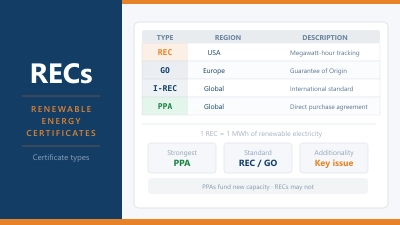
- Energy Attribution Certificates (EACs) or Guarantees of Origin matched to their actual consumption by time and region
- Records of self-generated renewable energy with third-party audit documentation
Certificates have to clear four tests: timely (current or last calendar year), granular (at minimum annual, ideally hourly), deliverable (bought in the same grid region), and exclusive (dedicated to that host alone, not spread across multiple claims).
Carbon Offsets Are Out
This is the biggest single change. The Foundation’s updated criteria put it plainly: “Carbon offsets cannot be used as a valid basis for verification.”
Offsets have always been the weakest form of green claim. Buying a carbon credit somewhere in the world does not mean the electricity powering your site is clean. It means something else, somewhere else, offset the emissions. That is a different thing entirely.
The Foundation had accepted offsets as a last resort under the old criteria. That door is now closed.
Any host in the Green Web dataset that relied on offsets will be removed at its next annual reverification, unless it can switch to qualifying EAC or REC documentation in time.
When Do Existing Providers Have to Comply?
New verification requests submitted from October 1 are assessed against the updated criteria straight away. Hosts already in the dataset get a runway, but they cannot renew under the old rules.
Reverification is annual. Depending on when a host was last verified, it will face the updated criteria at either February/March 2027 or June/July 2027. Miss that window without the right documentation, and the listing goes.
What About Hourly Matching?
Hourly energy matching, where a host’s renewable consumption is matched hour by hour rather than averaged across a year, is a much stricter standard. It is widely considered the most credible form of green energy claim.
The Foundation wants to move there eventually. Not before 2028, though, and hosts will get advance notice. Annual matching is still accepted for now. Hosts already working toward hourly matching get credit for the effort, but it is not a requirement yet.
Which Hosts Does This Affect?
Any host in the Green Web dataset will face scrutiny at reverification. Here is where the providers we review stand:
SupportHost looks well placed. It uses Guarantees of Origin from named suppliers: NaturEnergie for its German infrastructure (hydroelectric, sourced from the Black Forest and Upper Rhine) and Oomy Oy for Finland (wind and hydro). It also holds TÜV Nord and Grüner Strom certification and is already listed in the Green Web dataset. The GoO approach is exactly what the new criteria call for.
Infomaniak operates its own data centres in Switzerland and draws a significant share of energy from hydroelectric generation. Self-generated renewable energy is accepted under the new criteria, but it requires third-party audit documentation to back it up. Infomaniak’s track record on transparency puts it in a stronger position than most.
Krystal claims 100% renewable energy through the UK grid and green tariffs. UK Guarantees of Origin should qualify under the new framework. The catch is that the host now needs to supply the actual documents, not just point to a green energy page. A webpage is no longer sufficient evidence.
GreenGeeks is probably the most heavily marketed green host. It purchases RECs to match three times its energy consumption. Unbundled certificates are still accepted under the new criteria, but they have to meet the time, region, exclusivity, and granularity tests. GreenGeeks will need to show its RECs are matched to actual consumption, not bought as a broad offset against general grid use.
IONOS claims 99.8% renewable electricity across its infrastructure and has on-site solar at three data centres. The substance may be there. The problem is the public sustainability page names no certificates and no energy suppliers. The Foundation has an IONOS environmental FAQ document on its own media server, which suggests IONOS is in the dataset, but there is nothing publicly verifiable to point to. Under the new rules, that gap needs to close.
Servebolt is an interesting case. It hosts from Norwegian data centres, and Norway’s grid is dominated by hydroelectric power. The underlying energy probably is clean. The Green Web Foundation calls these green-default regions, and its updated criteria specifically address them: even where the grid is predominantly renewable, hosts still need to supply supplier records showing their actual consumption and the retirement of equivalent EACs against it. Servebolt’s green page currently names no certificates and no energy suppliers. The claim and the reality may both be true. Only one of them is verifiable right now.
HostPapa has historically marketed itself as green using RECs. No specific certificates or supplier names are visible on its current green pages, and its GWF dataset status is unclear. It will need to produce time-matched, regionally sourced REC documentation to pass the updated criteria.
None of this means these hosts will definitely lose their green status. It means the bar is higher, and vague sustainability language is no longer enough to clear it. Hosts that have always backed their claims with proper documentation have nothing to worry about.
Why This Matters for You
If green credentials played any part in your hosting choice, these changes are a good thing. They raise the floor on what “green hosting” actually means.
A host that passes the updated verification has proven something real: it buys renewable electricity in its operating region, matched to its actual consumption, with documents on file. That is a more meaningful claim than “we purchased some credits elsewhere to offset our emissions.”
It also gives you a sharper way to evaluate new hosts yourself. If a provider says it is sustainable but is not in the Green Web dataset, ask what documentation it can supply. A PPA or regional EAC is a credible answer. A sustainability page with no certificates behind it is not.
For a broader look at how hosting providers approach sustainability, and which ones have the most credible claims, see our green web hosting guide.
Common Questions About these Changes
What is the Green Web Foundation?
It is a non-profit that maintains a public database of web hosts verified as running on renewable energy. Its dataset powers tools across the web used to check whether a host’s green claim holds up.
Why are carbon offsets no longer accepted?
Buying a carbon credit does not make your electricity clean. It compensates for emissions somewhere else, which is a different claim. The Foundation wants verification to reflect the actual energy a host runs on, not what it has offset elsewhere.
Will green hosts lose their listing?
Not straight away. Existing verified hosts must meet the new criteria at their next annual reverification, due in early or mid 2027. Those with qualifying EAC or REC documentation will keep their listing. Those that relied on offsets alone will be removed unless they switch.
Does this affect my current hosting plan?
Your service is unchanged. But if green credentials influenced your choice of host, it is worth checking whether your provider’s listing survives reverification in 2027.
What counts as valid evidence now?
Power Purchase Agreements, Energy Attribution Certificates, Guarantees of Origin, or records of self-generated renewable energy with third-party audit documentation. Certificates must match the host’s actual consumption by time and region, and must be dedicated solely to that host’s claims.