What Is the Green Web Foundation?
A free tool and open dataset that flags whether a website is hosted on verified green infrastructure.
The Green Web Foundation is an independent non-profit that maintains a public directory of web hosting providers with verified green energy commitments. It’s the most widely used independent verification tool for checking whether a host’s sustainability claims are backed by evidence.
Unlike a host’s own sustainability page, the Green Web Foundation requires providers to submit supporting documentation before they’re listed. That documentation is reviewed, and a listing is only granted when the evidence meets their criteria.
The foundation is based in the Netherlands and operates as a non-profit. It doesn’t sell hosting services, earn commission from listed providers, or receive funding from the hosting industry. That independence is what makes its verification meaningful.
What the Green Web Foundation Does
The foundation’s primary output is the Green Hosting Directory: a searchable database of hosting providers that have submitted evidence of renewable energy use or matching. Any provider can apply. The foundation reviews the evidence and either approves or rejects the listing.
Beyond the directory, the Green Web Foundation publishes research on internet energy use, contributes to sustainable web design standards, and maintains tools that developers and businesses can use to understand and reduce the environmental impact of digital services.
Listings are updated when providers submit new evidence or when their credentials expire. A listing can be removed if a provider’s evidence expires and isn’t renewed, or if the foundation’s criteria change and the existing evidence no longer qualifies.
How the Verification Process Works
A hosting provider that wants to be listed submits evidence of their renewable energy commitments. The foundation reviews the evidence against their current criteria.
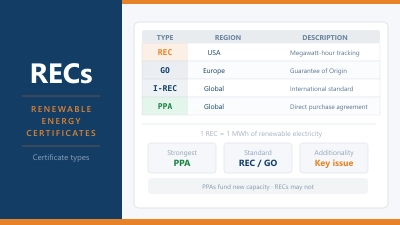
Accepted evidence includes direct renewable energy supply contracts naming the energy source and supplier, Renewable Energy Certificates (RECs) or Guarantees of Origin (GOs) with independent auditing, and Power Purchase Agreements (PPAs) with renewable energy generators.
The evidence needs to be current, verifiable, and sufficient to cover the provider’s data centre energy consumption. A marketing statement about environmental values doesn’t qualify. Named suppliers, certificate types, and audited figures do.
The Green Web Check Tool
The most practical output of the Green Web Foundation for individual users is the Green Web Check tool. It’s free, publicly accessible, and does one thing: you enter a URL and it tells you whether the site is hosted on verified green infrastructure.
The tool checks the IP address of the URL you enter against the foundation’s database of verified green hosting providers. If the IP is associated with a listed provider, the result shows green. If not, it shows grey.
This is useful in several ways. You can check your own hosting provider’s status without interpreting their marketing. You can verify claims a host makes before signing up. And you can check a supplier’s site if environmental responsibility is a factor in a business decision.
A grey result doesn’t necessarily mean a host is irresponsible. It could mean they haven’t submitted evidence to the foundation, or that their submission is pending review. A green result means their claim has been independently checked.
Every provider in our eco-friendly hosting guide returns a green result on the Green Web Check tool.
What Gets a Host Listed
As of 2026, the foundation’s criteria focus on renewable energy sourcing and certificate-based matching. The table below shows the main qualifying approaches and examples from providers we’ve reviewed.
| Approach | Qualifies? | Example Providers |
|---|---|---|
| Direct renewable energy (named supplier) | Yes | Hetzner, Krystal, IONOS |
| RECs or GOs (independently audited) | Yes | GreenGeeks, Hostinger |
| Infrastructure-level renewable matching | Yes | SiteGround, Kinsta (via Google Cloud) |
| Carbon offsets only (as of Jan 2026) | No longer sufficient | Previously accepted, now requires RE evidence |
| Vague sustainability claims, no evidence | No | Not listed |
The 2026 Policy Change on Carbon Offsets
In January 2026, the Green Web Foundation updated its verification criteria. Carbon offsets are no longer accepted as sufficient evidence for a fossil-free hosting claim.
Before this change, a provider could be listed in the directory if they offset 100% or more of their emissions through certified programmes. The foundation’s view shifted based on the argument that offsets don’t address the actual energy source and represent a weaker commitment than sourcing clean energy directly or through RECs.
Under the updated criteria, a provider needs evidence of renewable energy sourcing or REC or GO purchases to qualify. Carbon offsets may be mentioned as a supplementary commitment but are no longer the basis for listing.
For anyone evaluating green hosting credentials, this is a useful reference point. A host that only claims carbon neutrality through offsets no longer meets the GWF standard.
Limitations of the Directory
The Green Web Foundation’s directory is the best independent tool available for verifying hosting green claims, but it has limitations worth understanding.
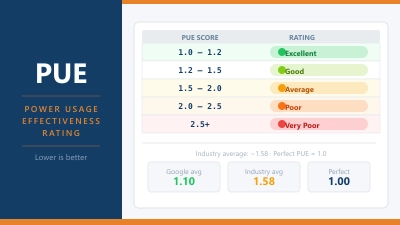
It doesn’t cover every aspect of sustainability. The directory focuses on energy source and matching. It doesn’t measure PUE, hardware efficiency, electronic waste practices, or supply chain emissions. A host could be listed while being inefficient in other areas.
Not all unlisted providers are irresponsible. Some hosts with genuine green practices haven’t applied to the foundation, or their application is pending. A grey result means “not verified by the GWF,” not “definitely not green.”
Listings also reflect the evidence submitted, not real-time operations. If a host’s renewable energy contract expires and they haven’t renewed their evidence, they may remain listed temporarily. The foundation does periodic reviews but can’t monitor every provider in real time.
Despite these limitations, the directory remains the most practical independent starting point for evaluating a provider’s environmental credentials. For a full comparison of verified green hosts we’ve reviewed, see our eco-friendly hosting guide.
Frequently Asked Questions
Is the Green Web Foundation free to use?
Yes. The Green Web Check tool and the hosting directory are both free and publicly accessible. The foundation is a non-profit and doesn’t charge individuals or businesses to use these tools.
How do I check if my hosting provider is green?
Enter your website’s URL into the Green Web Foundation’s Green Web Check tool. It checks whether the IP address of your site is registered to a verified green hosting provider. A green result means verified. A grey result means not currently verified.
Can any hosting provider get listed?
Any provider can apply by submitting evidence of their renewable energy commitments. The foundation reviews the evidence and either approves or rejects the application based on their current criteria. There’s no fee and no commercial relationship involved.
What changed in 2026 regarding carbon offsets?
The foundation announced in January 2026 that carbon offsets are no longer accepted as sufficient evidence for a fossil-free hosting listing. Providers must now demonstrate renewable energy sourcing or REC or GO purchases. Offsets can be mentioned as supplementary but are no longer the primary basis for qualification.
Does being listed mean a host is the best green option?
Not necessarily. The directory confirms that a provider has submitted verifiable evidence of renewable energy use or matching. It doesn’t rank providers or compare their level of commitment. A host using direct hydropower and a host using RECs may both be listed, but their approaches differ significantly.